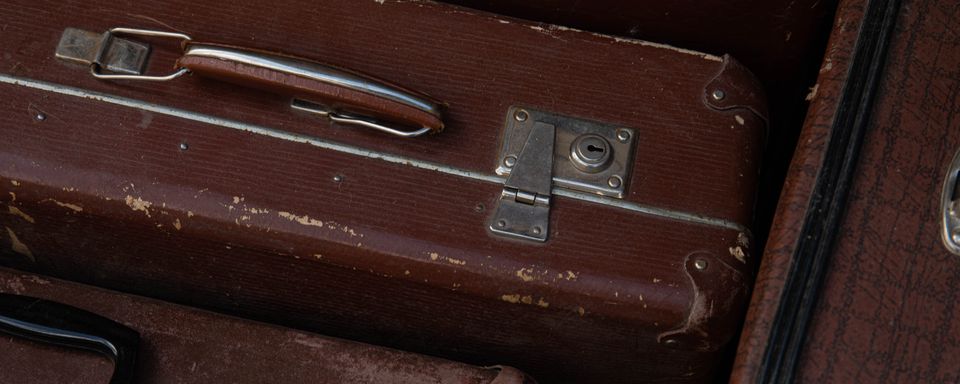
The tin of saffron wrapped in a sweater. The jar of pickle sealed in three plastic bags. The shawl bought for someone who couldn’t make the trip. For years, the best of India reached America one suitcase at a time.
What’s missing
Most of what’s sold as “Indian” in America is the same few mass-market brands, months old by the time they reach a shelf. The things people actually miss, tied to one town, one season, one family workshop, rarely make it here at all.
How we choose
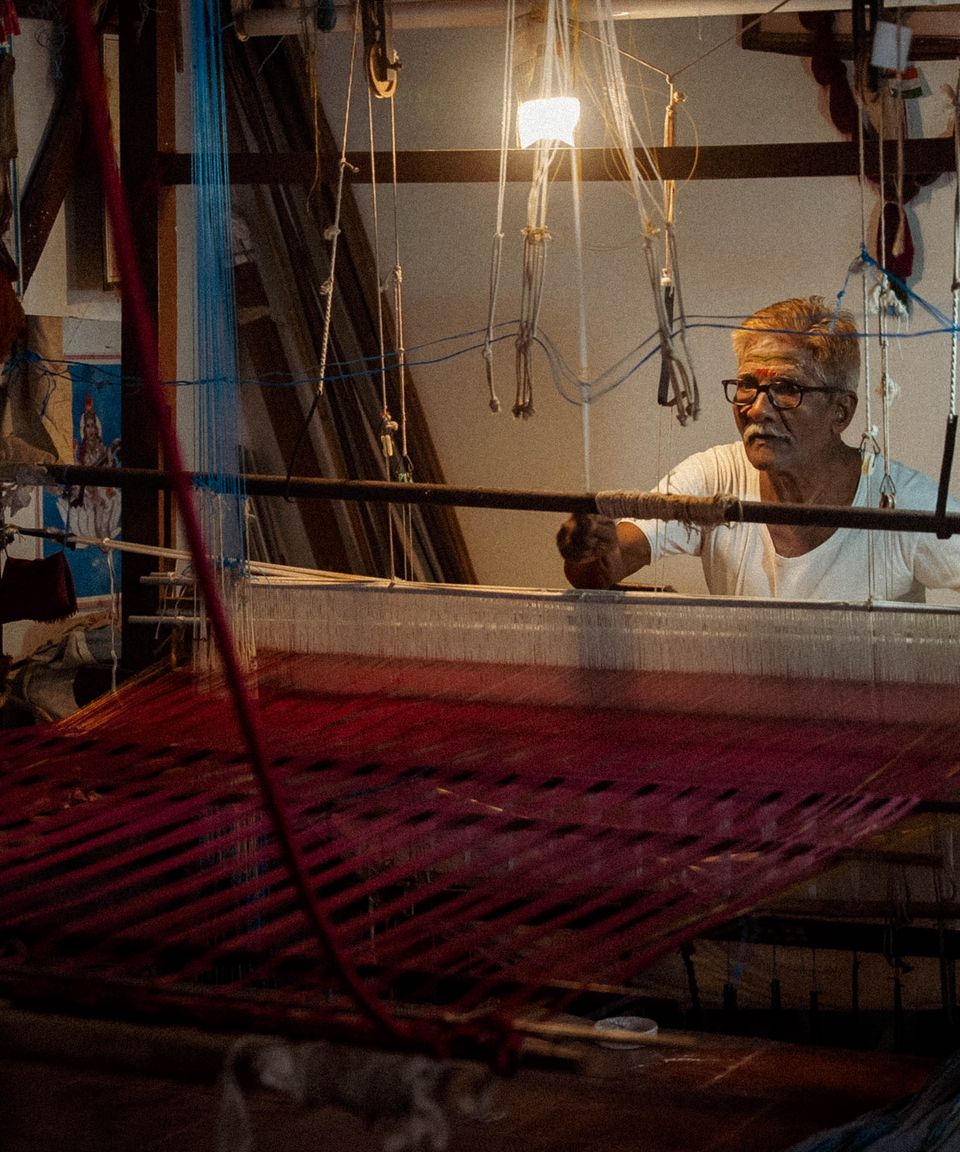
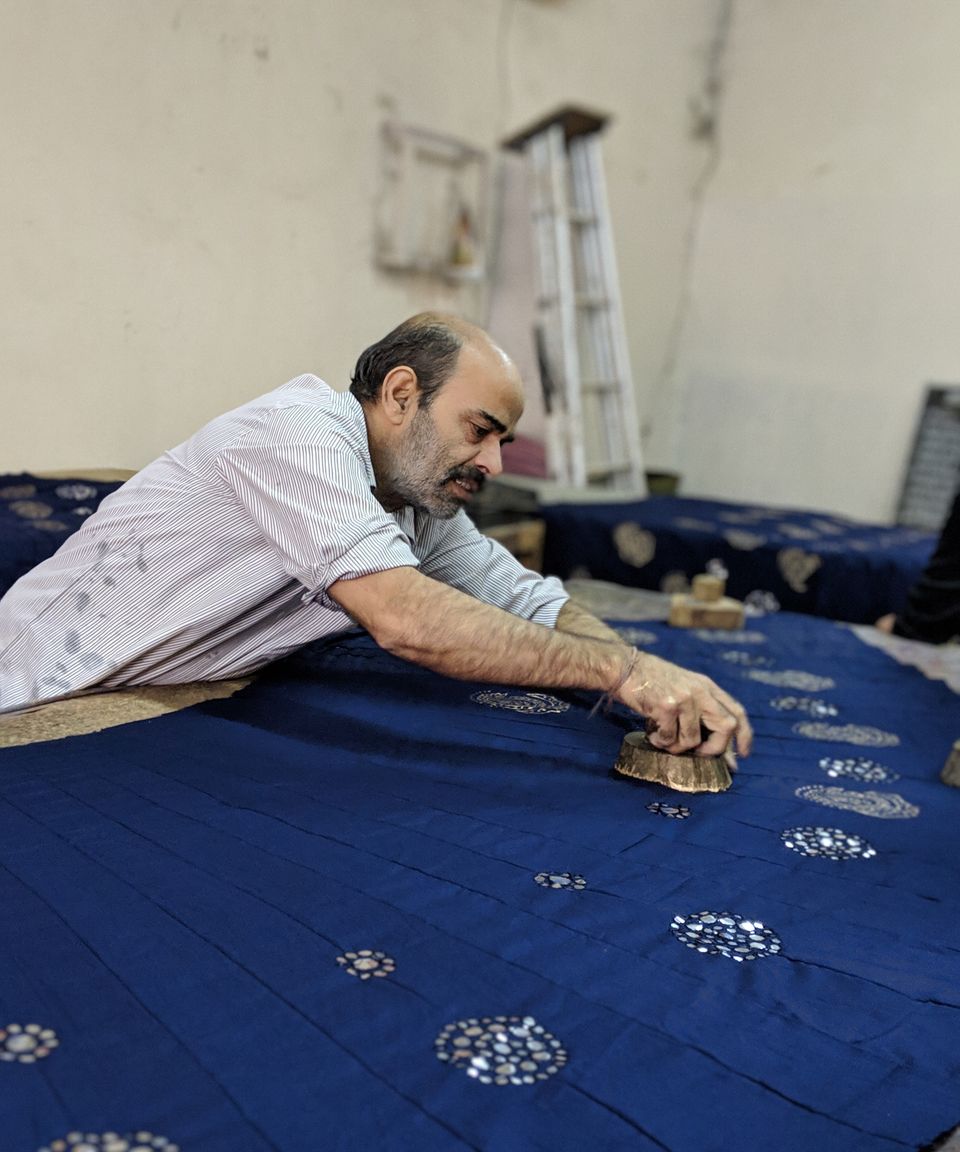
One signature piece per place, from the region it’s known for. Where a product carries a Geographical Indication tag, we buy only from inside that region. We buy directly from growers, weavers and workshops, and pay them before we ship.
Why we reserve first
Nolen gur is tapped for a few weeks each winter. Avakaya is made once, in May. Rather than guess and waste, we let reservations decide what we bring in and how much. You pay only when your piece reaches the US.
The name
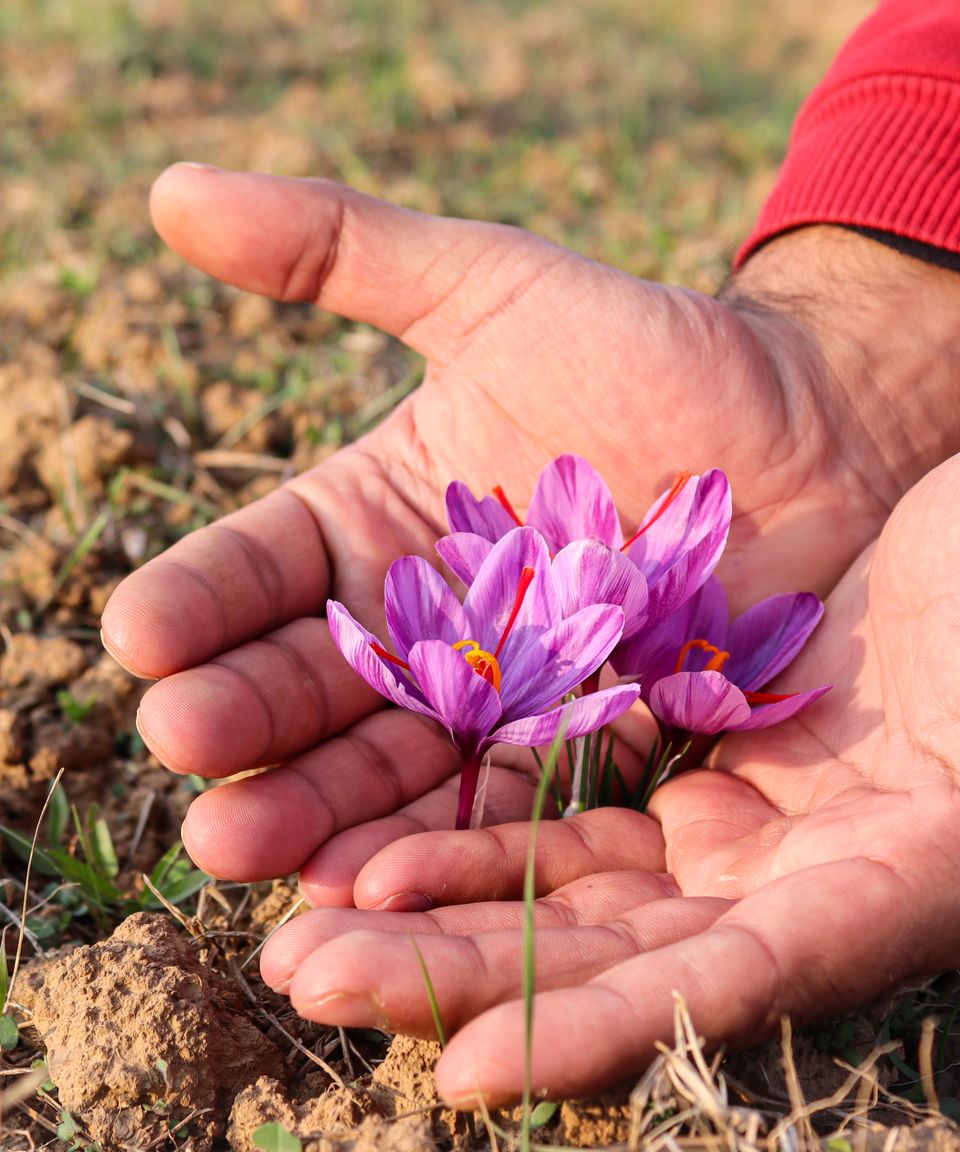
Kesari means saffron: the most precious thing in the Indian kitchen, and the colour of a hundred festivals. It felt right for a house of the best things India makes.
Browse the collection